
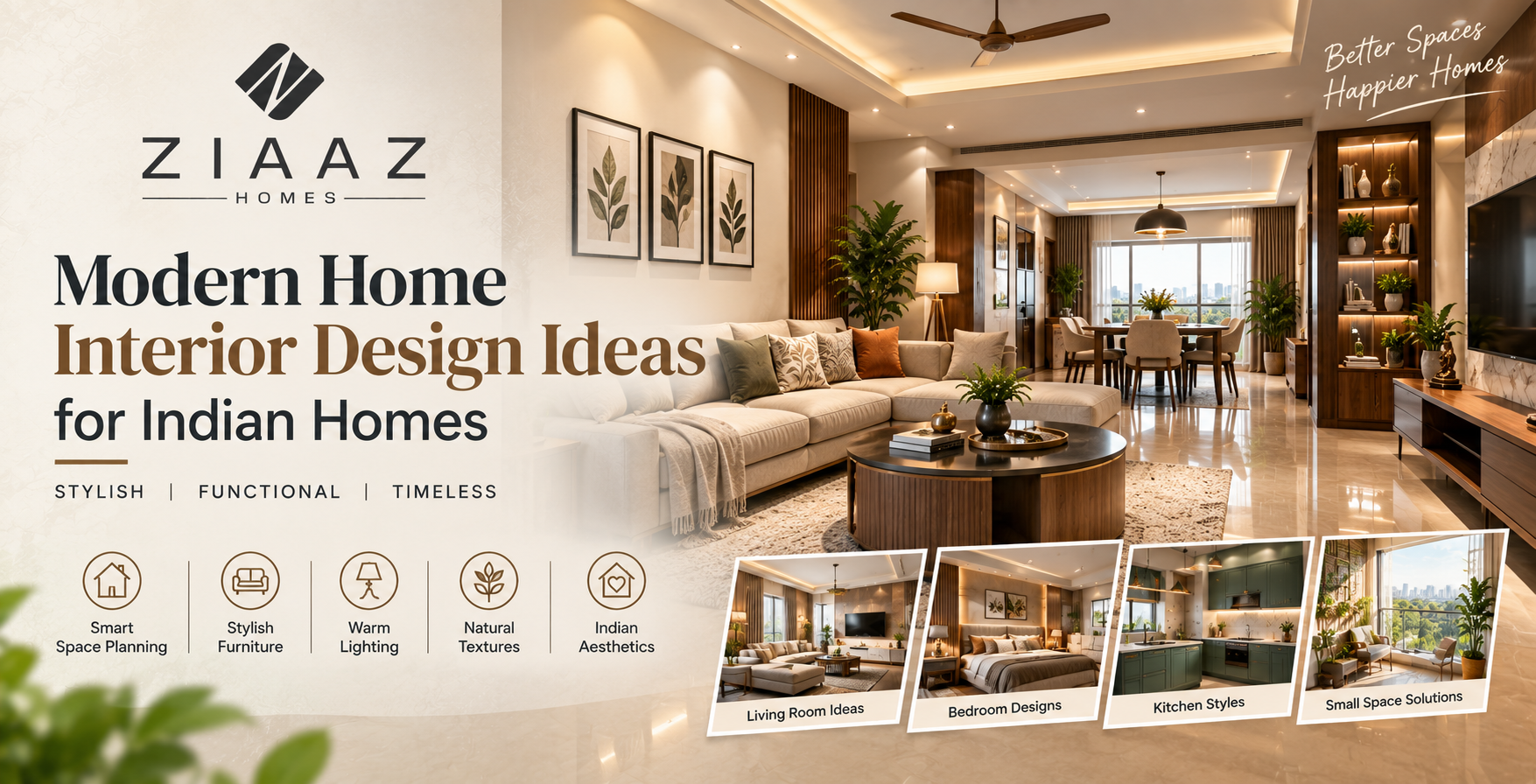
Modern Home Interior Design Ideas for Indian Homes
A well-designed home is more than just beautiful furniture and attractive colours. It should reflect your lifestyle, make everyday living comfortable, and use space efficiently. Modern Home Interior Design combines clean aesthetics, functional layouts, thoughtful lighting, natural materials, and carefully selected furniture to create spaces that feel contemporary yet comfortable.
For Indian homes, modern interiors also need to consider practical factors such as climate, available space, storage requirements, family lifestyles, and cultural preferences. Whether you are designing a new apartment, renovating a villa, or upgrading individual rooms, the right approach can transform the overall look and functionality of your home.
In this guide, we explore practical Modern Home Interior Design ideas that can work across different types of Indian homes.
What Is Modern Home Interior Design?
Modern Home Interior Design generally focuses on simplicity, functionality, clean lines, open spaces, and a balanced colour palette.
Unlike heavily decorated interiors, modern design often uses fewer but more purposeful elements. Furniture, lighting, flooring, wall finishes, windows, and décor are selected to work together as a cohesive design.
A modern Indian home can combine contemporary design principles with materials, textures, colours, and furniture elements that reflect the homeowner's personality.
1. Choose a Neutral Base Colour Palette
Neutral colours can create a calm and versatile foundation for modern interiors.
Popular choices include:
- White
- Beige
- Cream
- Warm grey
- Taupe
- Soft brown
- Muted earthy shades
A neutral base does not mean that your home has to look plain. You can introduce personality through artwork, cushions, rugs, furniture, lighting, plants, and accent walls.
For Indian homes, warmer neutrals can also create a welcoming atmosphere while complementing natural wood and stone finishes.
2. Use Natural Light Effectively
Natural light can make interiors feel brighter and more spacious. During the design stage, consider how windows, glass doors, curtains, and furniture placement affect daylight.
Large windows can provide both natural light and outdoor views. Modern aluminium or UPVC window systems can be considered depending on the project's design, performance requirements, and budget.
Avoid placing bulky furniture directly in front of major windows where it unnecessarily blocks daylight.
3. Create an Open and Functional Layout
Modern interiors often focus on creating a sense of openness.
Instead of filling every corner with furniture, identify how each area will be used and select furniture accordingly.
For example, an open living and dining area can provide flexibility while allowing family members to interact more easily.
However, an open-plan layout should still have visual definition. Rugs, lighting, furniture placement, flooring transitions, or subtle changes in colour can help distinguish different functional zones.
4. Invest in Smart Storage
Storage is particularly important in Indian homes, where homeowners may need space for clothing, kitchen equipment, books, appliances, documents, and other household items.
Modern interior design can incorporate storage into the architecture rather than treating it as an afterthought.
Consider:
- Full-height wardrobes
- Built-in cabinets
- Under-bed storage
- TV units with concealed storage
- Kitchen storage systems
- Floating cabinets
- Entryway storage
- Custom furniture
Well-planned storage helps maintain a clean appearance while making everyday organisation easier.
5. Choose Furniture Based on Your Lifestyle
Furniture should look good, but it should also be practical.
Before buying a sofa, dining table, bed, or storage unit, consider the size of the room and how the space will be used.
For smaller apartments, multifunctional furniture can be particularly useful. In larger homes, statement furniture can be used to create focal points without overcrowding the room.
Custom or bespoke furniture can also be considered when standard sizes do not fit the available space.
6. Add Wooden Elements for Warmth
Wood can balance the clean lines of modern design by adding warmth and texture.
Wooden finishes can be incorporated through:
- Furniture
- Wall panels
- Wardrobes
- Flooring
- TV units
- Doors
- Decorative elements
Combining wood tones with neutral walls and contemporary lighting can create a modern but comfortable atmosphere.
7. Use Layered Lighting
Lighting is one of the most important elements of Modern Home Interior Design.
Instead of relying on a single ceiling light, consider three layers:
Ambient Lighting
This provides general illumination throughout the room.
Task Lighting
Task lighting is used for specific activities, such as reading, cooking, working, or applying makeup.
Accent Lighting
Accent lighting highlights architectural details, artwork, furniture, wall textures, or other decorative elements.
A combination of these lighting types can make an interior more functional and visually interesting.
8. Design a Practical Modern Kitchen
Modern kitchens should balance appearance with storage and functionality.
Consider the kitchen work triangle or an appropriate workflow between the refrigerator, cooking area, and sink. Storage should also be planned according to the appliances, utensils, cookware, and groceries used by the household.
Popular modern kitchen features include:
- Handleless cabinets
- Built-in appliances
- Tall storage units
- Soft-close drawers
- Pull-out storage
- Under-cabinet lighting
- Quartz or other durable countertops
The ideal design depends on the available space and the homeowner's cooking habits.
9. Create a Comfortable Modern Living Room
The living room is often the social centre of an Indian home.
A modern living room can combine:
- Comfortable seating
- A simple TV unit
- Layered lighting
- A statement rug
- Indoor plants
- Artwork
- Textured walls
- Functional storage
Avoid adding too many decorative objects. A few carefully selected pieces can create a more refined appearance.
10. Use Mirrors Strategically
Mirrors can help reflect light and create a greater sense of visual space.
They can be used in:
- Entryways
- Living rooms
- Bedrooms
- Dining areas
- Dressing areas
Large mirrors can become a design feature themselves, while smaller decorative mirrors can be used as accents.
The placement should be intentional. A mirror reflecting an attractive view or a source of natural light can be more effective than simply placing one on an empty wall.
11. Bring Nature Indoors
Indoor plants can introduce colour and texture into modern interiors.
Depending on the available natural light and maintenance preferences, homeowners can consider plants such as:
- Snake plants
- Areca palms
- Money plants
- Rubber plants
- ZZ plants
Plants can be placed in living rooms, balconies, bedrooms, entryways, or other suitable areas.
12. Choose Flooring Carefully
Flooring forms a large part of the visual foundation of a home.
Modern Indian homes can use different flooring materials depending on the design and practical requirements.
Options may include:
- Porcelain tiles
- Ceramic tiles
- Natural stone
- Engineered wood
- Vinyl
- Other specialised flooring systems
When choosing flooring, consider durability, maintenance, moisture exposure, slip resistance, appearance, and the room's intended use.
13. Design a Modern Bedroom for Comfort
A modern bedroom should prioritise relaxation rather than excessive decoration.
A simple approach can include:
- A comfortable bed
- Integrated storage
- Soft lighting
- Neutral colours
- Minimal décor
- Curtains for light control
- Soft textiles
A feature wall behind the bed can create visual interest without requiring extensive decoration throughout the room.
14. Create a Functional Home Office
With more people working or studying from home, a dedicated workspace can be valuable.
Even a small corner can become a functional home office with:
- A suitable desk
- Ergonomic seating
- Task lighting
- Storage
- Cable management
- A clean background
Natural light can also make the workspace more comfortable, provided screen glare is controlled.
15. Don't Ignore the Bathroom
Bathrooms are an important part of the overall interior design.
Modern bathroom design can combine functional sanitary ware with carefully selected tiles, lighting, storage, vanities, mirrors, and fittings.
Consider:
- Wall-hung sanitary ware
- Floating vanities
- Large-format tiles
- Glass shower enclosures
- Concealed storage
- Contemporary mixers
- Layered lighting
Materials should also be selected based on moisture resistance, maintenance requirements, and durability.
16. Add Indian Elements Without Making the Space Look Traditional
Modern design does not mean removing cultural identity from your home.
You can introduce Indian influences through:
- Artwork
- Handcrafted décor
- Textiles
- Brass elements
- Traditional patterns
- Sculptures
- Natural materials
The key is balance. A small number of carefully selected traditional elements can become strong focal points within an otherwise contemporary interior.
17. Focus on Quality Over Quantity
One common mistake in home interiors is trying to fill every available space.
Modern design generally works better when every element has a purpose.
Instead of purchasing numerous decorative objects, invest in a few high-quality pieces that complement the overall design.
This approach can also make cleaning and maintaining the home easier.
How Ziaaz Homes Can Help With Modern Home Interior Design
Creating a cohesive interior requires coordination between different elements, including furniture, flooring, lighting, wall finishes, windows, bathroom products, and architectural details.
Ziaaz Homes can be considered by homeowners looking to bring different aspects of their home design and furnishing together.
Whether you are planning a complete home interior, renovating selected spaces, or looking for customised furniture and finishes, professional planning can help ensure that individual elements work together rather than appearing disconnected.
Final Thoughts
Good Modern Home Interior Design is not simply about following the latest trends. It is about creating a home that combines aesthetics, functionality, comfort, and personal style.
For Indian homes, the best interiors often balance contemporary design with practical requirements such as storage, natural light, climate, family needs, and maintenance.
Start by understanding how you use your home, establish a realistic budget, select a cohesive design direction, and prioritise the elements that will have the greatest impact on everyday living.
With thoughtful planning and the right combination of materials, furniture, lighting, flooring, windows, and décor, your home can achieve a modern look without sacrificing comfort or functionality.